An oval face shape is often described as easy to style, which is true only in the limited sense that its proportions give you room to experiment. It does not mean every cut, fringe, or frame will feel like you. Hair density, texture, forehead height, and the time you spend getting ready still matter. I prefer to think of an oval face as a quietly balanced outline: it offers a stable starting point, then lets personal taste decide where the emphasis goes.
Check the proportions before calling your face oval
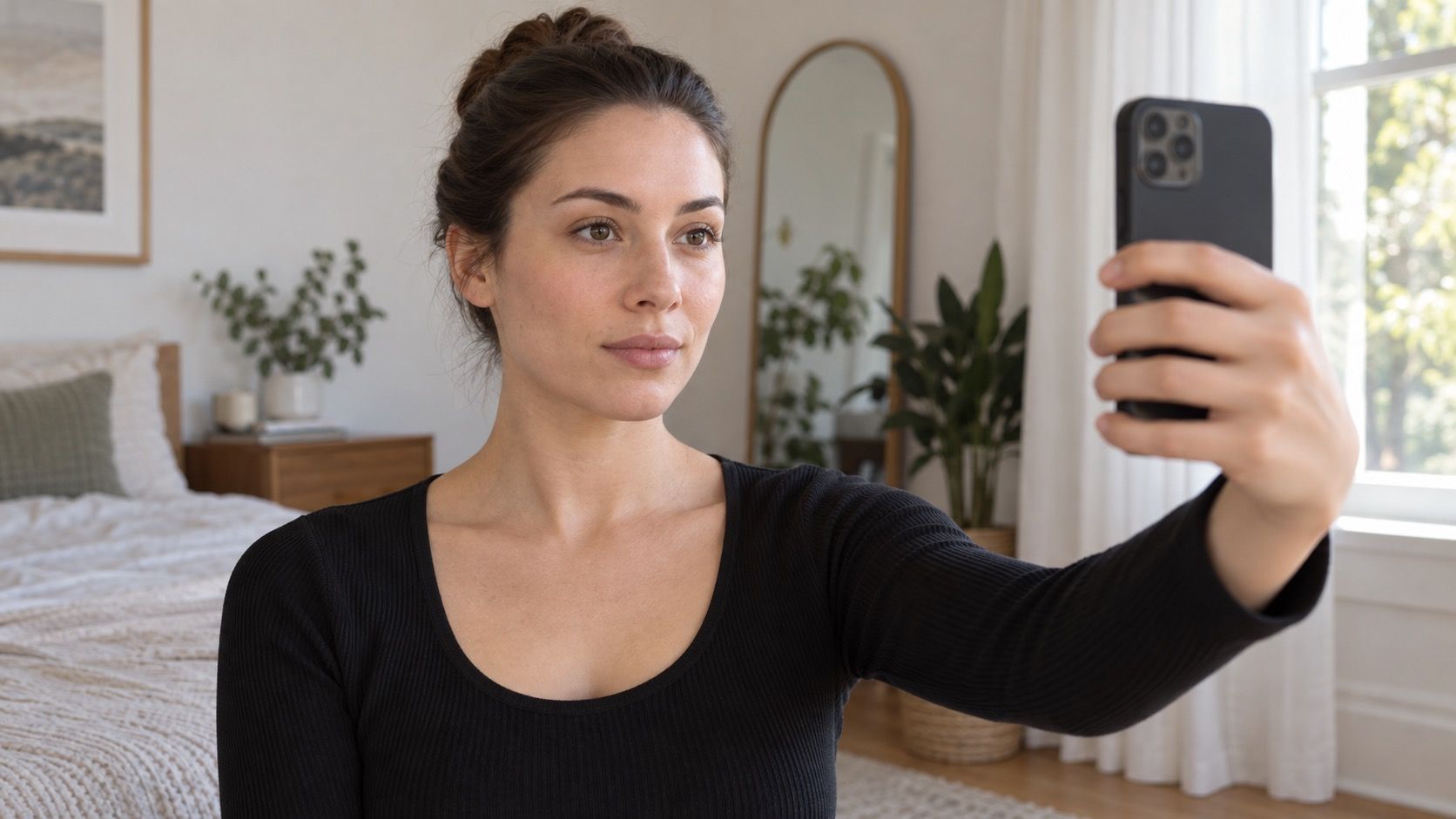
An oval face usually looks a little longer than it is wide. The forehead is often close to, or slightly wider than, the jaw; cheekbones may be the widest point; and the jaw narrows into a soft, rounded chin. The overall edge has no dramatic corner or abrupt taper. Stand in daylight with hair pulled back and look at the outside line, not the individual features. A close selfie can stretch the centre of the face and make almost anyone look more oval than they do in a mirror.
Oval face features overlap with nearby categories. If the face is distinctly long through the cheeks and jaw, oblong may be a more useful word. If the forehead is notably wider and the chin quite small, heart features may matter more than the oval length. The aim is not to pass a test. It is to notice whether balance is the main impression or whether one area asks for more attention when you choose a style.
Try a simple check with a front-facing photo taken from a few feet away. Compare face length, cheekbone width, forehead width, and jaw width. Do not worry about tiny differences. A result that keeps showing a gentle taper from cheeks to chin is more informative than a number that changes because the tape slipped.
Choose a haircut by the effect you want
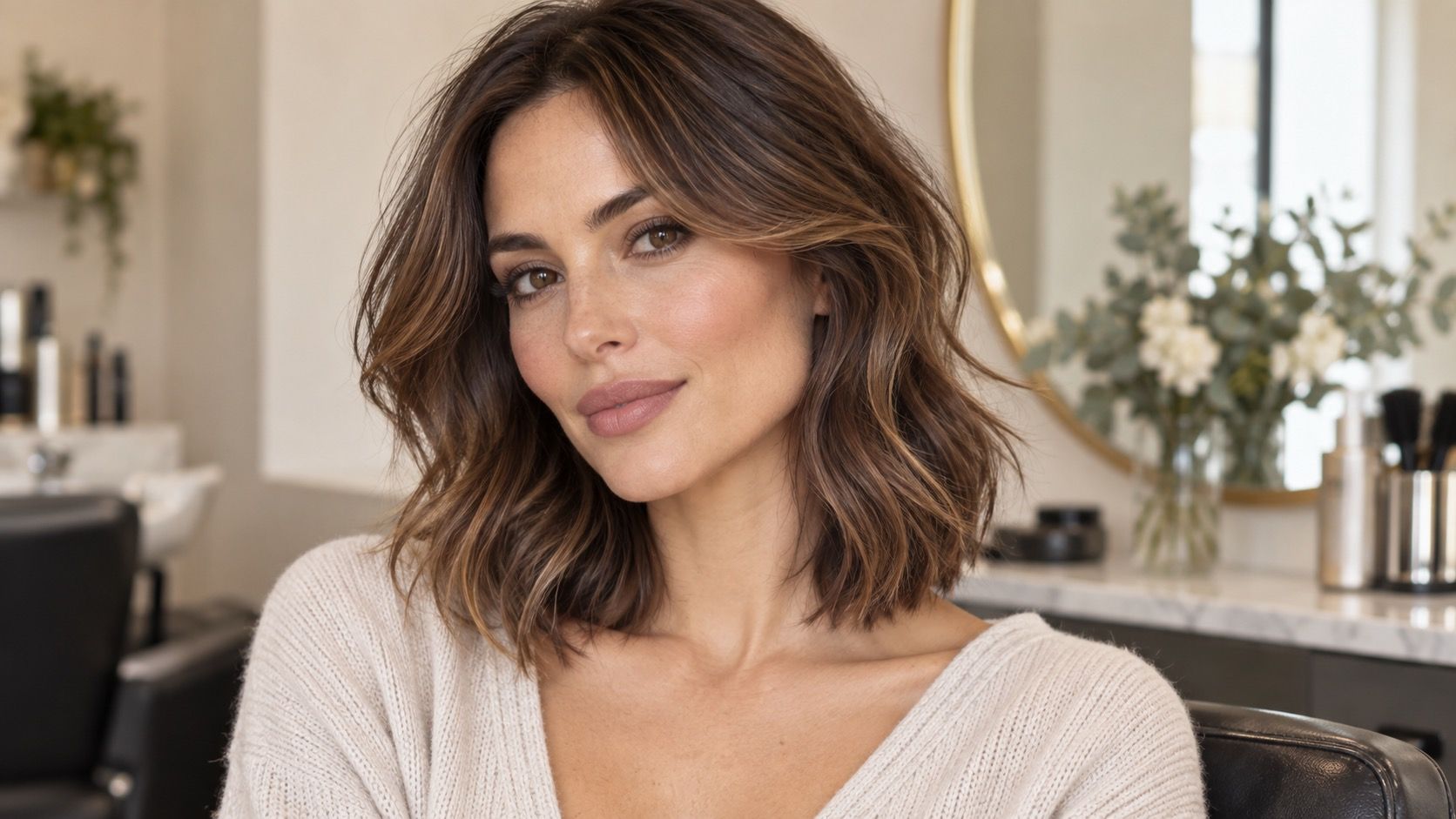
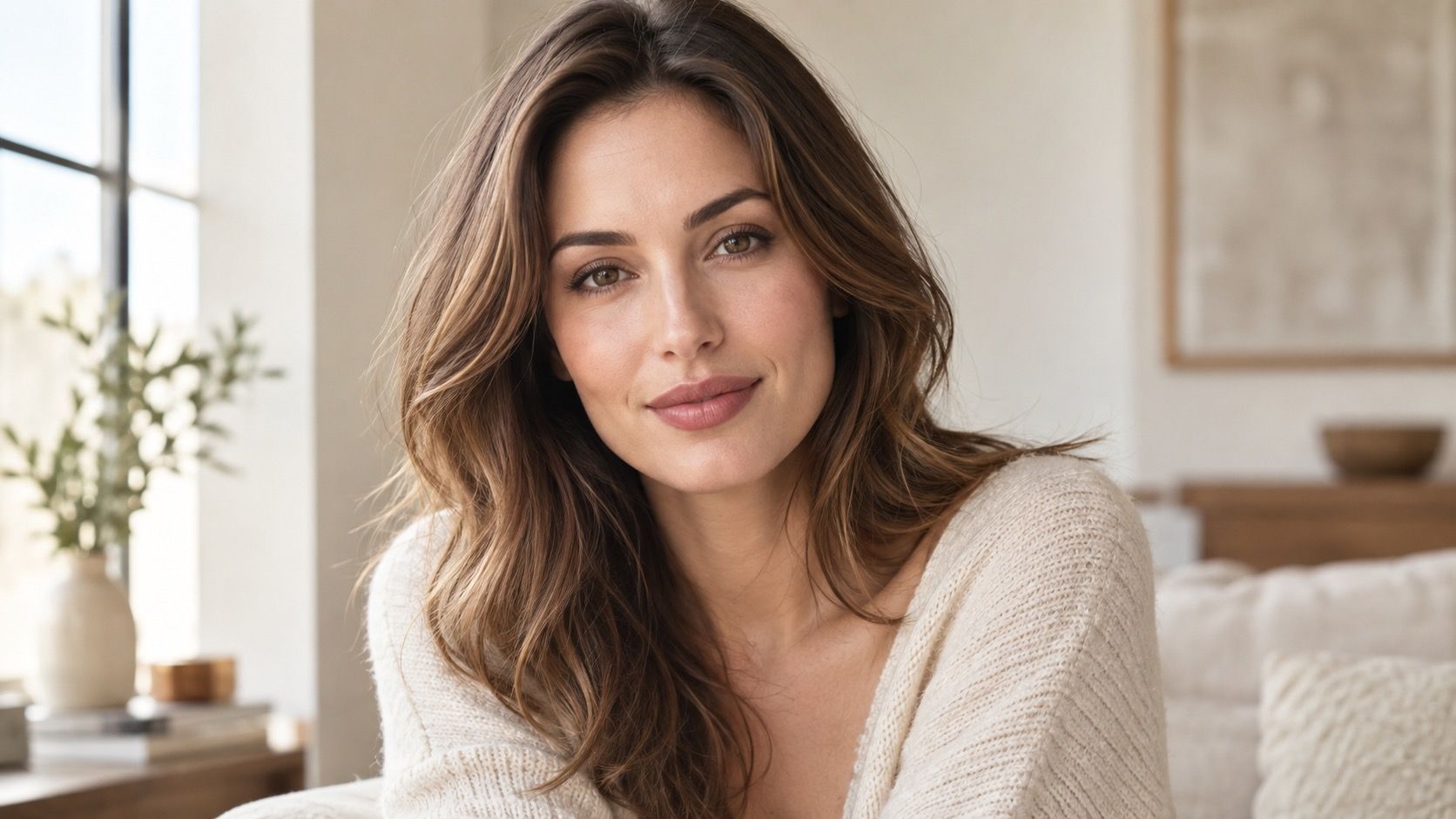
The best haircut for oval face proportions is not one fixed style. Long layers can keep movement around the cheeks without adding a heavy block at the jaw. A collarbone-length cut often feels practical because it can be worn with a middle or side part; the same cut looks different once it is tucked behind one ear. A short textured crop can work just as well when the crown has enough shape for your hair type.
Before saving a picture, look at the model’s hair texture and styling effort. A sleek blunt bob gives a clean outline but may demand frequent heat styling on a thick wave. Soft layers can make fine hair look lively, yet too many short pieces may leave it looking thinner by lunchtime. Ask a stylist where the shortest layer will sit on your own face and what happens when you air-dry it. That practical conversation is more useful than the word oval on a salon board.
| Choice | What it can emphasise | Useful check |
|---|---|---|
| Long layered cut | Movement around cheeks and jaw | See where the shortest layer lands |
| Blunt bob | A crisp horizontal line | Consider hair density and daily styling |
| Textured crop | Eyes, brows, and crown shape | Check growth pattern at the hairline |
| Shoulder-length cut | Flexible parting and easy variation | Try it tucked and untucked |
Oval balance does not need protecting at all costs. You may want a bold, compact shape or a dramatic length. Just decide what you are choosing: more width near the jaw, more height at the crown, or a cleaner vertical line. A conscious contrast tends to look more convincing than an accidental one.
Bangs and partings are a low-risk experiment
A middle part often follows the natural symmetry of an oval face, but it can feel severe if your hair is very flat or if you prefer more movement. A soft off-centre part shifts attention to one eye and can make a familiar cut feel new without removing length. Test the line with a comb before booking anything. Take one photo in window light and another indoors; partings can disappear or become stronger depending on contrast.
Bangs are worth judging by maintenance as much as by face shape. Curtain bangs can frame the cheekbones and grow out gently, although they still need regular trimming to keep their split in the right place. A blunt fringe makes a stronger horizontal statement and may suit someone who wants to shorten the apparent length of the face. Wispy bangs are softer, but they can separate into strings on fine hair or in humid weather.
Do not choose a fringe only because an online chart says oval faces can wear every kind. Consider cowlicks, glasses, workouts, and how quickly you get tired of hair on your forehead. A flattering idea that you constantly pin back is not a useful recommendation.
Frames should fit your features, not just the label
Oval faces can usually try many frame silhouettes, but fit remains the non-negotiable part. The frame should sit comfortably on the bridge, keep the pupils near the centre of the lenses, and avoid extending so far that it feels like a costume. A gently angular rectangle can add definition; a round or softly upswept frame repeats the existing curves. Neither is automatically better.
Check the top line against your brows. A frame that cuts across them can look distracting even when its shape is theoretically ideal. Look at the width too: temples that squeeze leave marks, while a frame much wider than the face can slide and dominate photographs. If you wear progressive lenses, lens height and optical needs may rule out some fashionable shallow frames, regardless of face shape.
Try sunglasses outdoors before deciding. Dark lenses hide the eye area, so the frame’s outline does more visual work. A pair that looks subtle in a shop mirror may look unexpectedly bold in bright daylight. This is a useful moment to trust your own reaction rather than a generic “best glasses” list.
Makeup and accessories can move the emphasis
With balanced proportions, makeup is often about preference rather than correction. A blush placed high and swept outward can bring attention to the cheekbones; a more central placement gives a fresher, rounded effect. Contour under the cheekbone can add depth, but a heavy stripe usually looks harsher in daylight than under a bathroom light. Blend, step back, and check from conversation distance.
Earrings and necklaces offer the same small controls. Long narrow earrings add a vertical note, while wide hoops echo softness near the cheeks. A close choker creates a horizontal line at the neck; a longer pendant extends it. There is no requirement to balance every feature. Choose an accessory because it supports the mood of the outfit and feels good for a full day.
An oval face shape gives options, not an obligation to optimise. Keep the observations that help you shop or explain a haircut, then leave room for surprise. The style you repeatedly reach for after a busy morning is usually a more valuable answer than the most technically balanced one.